


Gauss Meter/Tesla Meter Calibration System
Introduction
| Weak magnetic field | Weak magnetic field | Strong magnetic field |
| 0mT - 10mT | 10mT - 10mT | 100mT - 2.5T |
|
One-dimensional Helmholtz coil + 48W Linear constant current source |
One-dimensional Helmholtz coil + 1700W Linear constant current source |
Electromagnet + 1700W Linear constant current source |
| Resolution: 0.0001mT Accuracy: 0.01% |
Resolution: 0.001mT Accuracy: 0.01% |
Resolution: 0.001mT Accuracy: 0.05% |
Features:
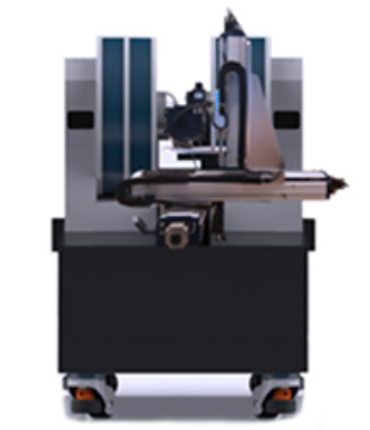
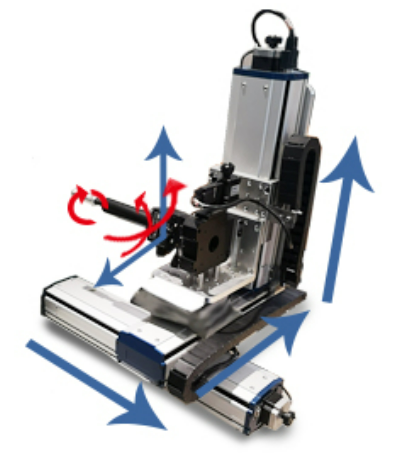
- High-precision CNC magnetic field generation platform detection system; dual electronic control adjustment for both the standard probe and the probe under test;
- Standard accuracy is controlled within ±0.05% of reading; resolution reaches up to 1/600,000;
- Can be used to calibrate DC magnetometers of Class 0.2 and below; range covers (1mT-2.5T);
- High-uniformity electromagnets utilize iron-cobalt poles to achieve a 6mm uniformity area with a uniformity of 0.01%, making them particularly suitable for 3D Teslameter calibration;
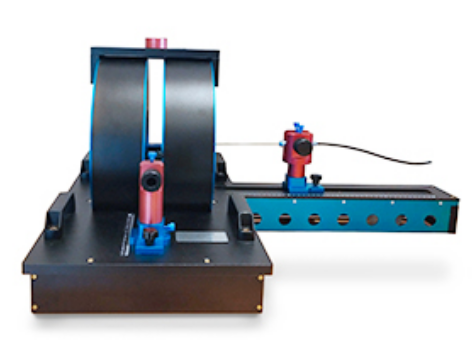
- One-dimensional Helmholtz coils generate a maximum 100mT transverse and axial magnetic field with a uniformity of up to 0.01% for a 20mm sphere;
- Coil constant calibration utilizes a nuclear magnetic resonance Teslameter, with a constant accuracy of up to 0.007%;
- The company's own nuclear magnetic resonance Teslameter calibration device has a national-level accuracy of 0.001%;
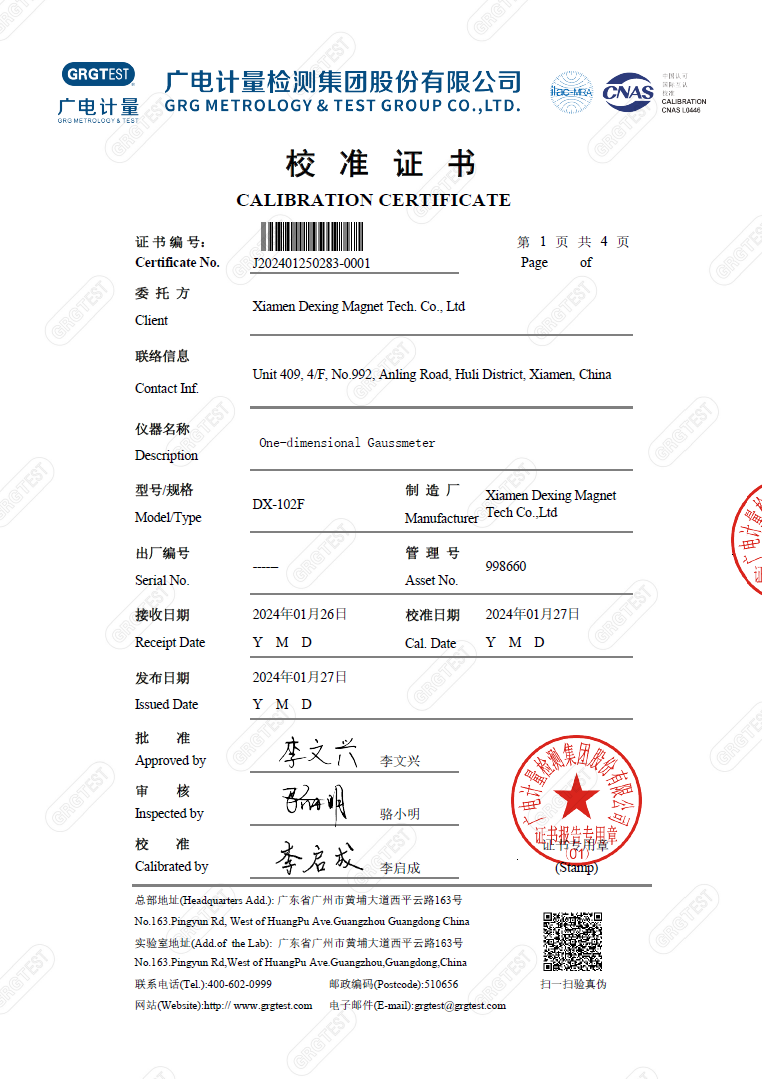
- Provide certificates from the China National Institute of Metrology for the Teslameter, power supply, and coil constants.
Working Principle:
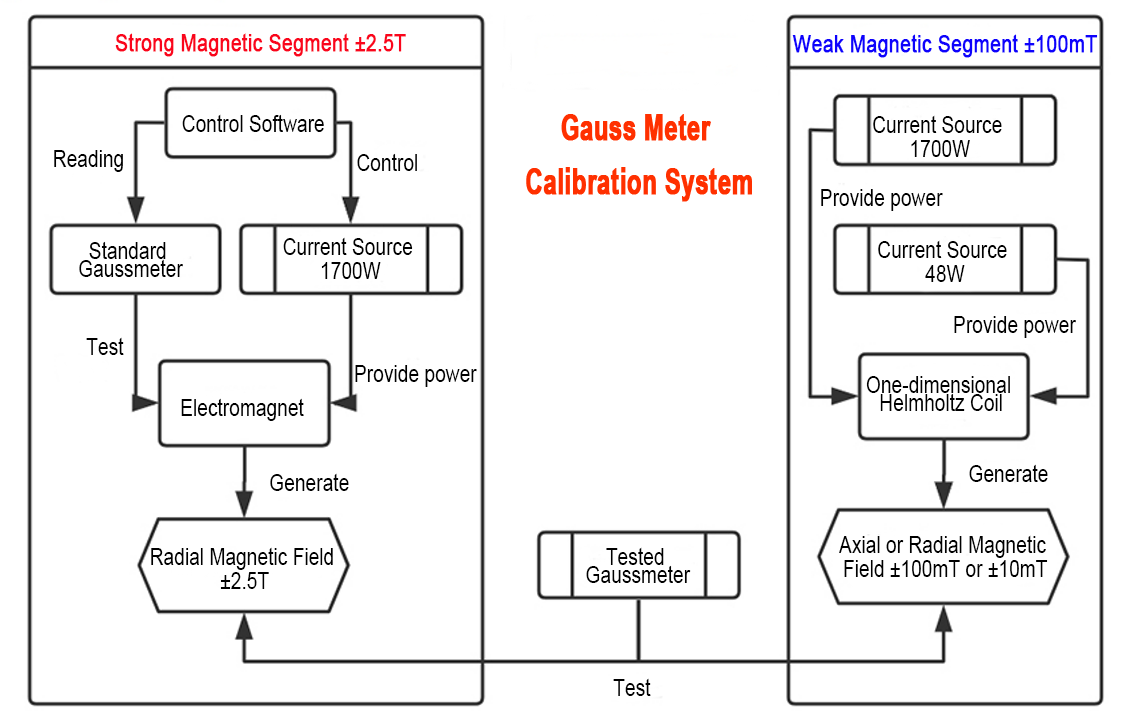
The Gauss Meter calibration system tests magnetic fields in a strong magnetic range (±2.5T) and a weak magnetic range (±100mT).
The strong magnetic range is based on our company's high-precision CNC magnetic field generation platform. A linear current source drives an electromagnet to generate a transverse magnetic field. Our independently developed and manufactured high-precision gaussmeter reads the current magnetic field in the electromagnet and returns the reading to the control software. The user simply enters the desired magnetic field magnitude into the software, and the linear current source automatically adjusts the output current based on the current magnetic field in the electromagnet measured by the gaussmeter until the desired field is achieved. The gaussmeter is factory-calibrated using a PT2026 nuclear magnetic resonance magnetometer to ensure the accuracy of the generated magnetic field. A test certificate from the China National Institute of Metrology is also issued. Simply enter the gaussmeter reading into the software to automatically calculate accuracy and other related parameters.
The weak magnetic field section is an axial magnetic field generated by a one-dimensional Helmholtz coil. The coil constant parameters are calibrated by a PT2026 nuclear magnetic resonance magnetometer before leaving the factory. The relationship between the current flowing through the coil and the generated magnetic field is recorded in the parameter table. Simply adjust the current supplied to the Helmholtz coil by the linear current source to any level in the parameter table to use the corresponding magnetic field as the standard magnetic field. Users can insert a transverse probe radially to verify the transverse probe's performance parameters within the ±100mT range, or insert an axial probe axially to verify its accuracy and other related parameters.
System composition diagram
Main components:
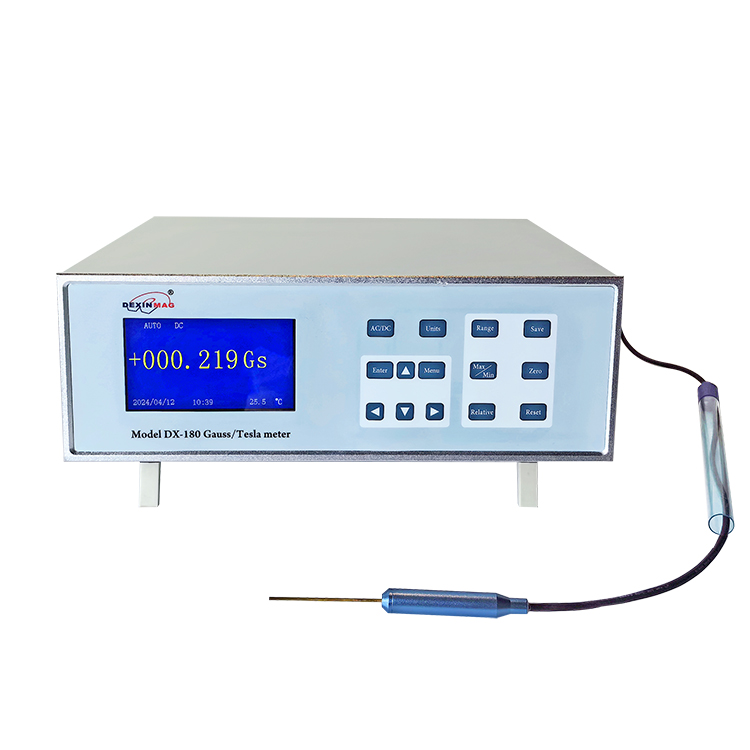 |
Gaussmeter
|
|
|
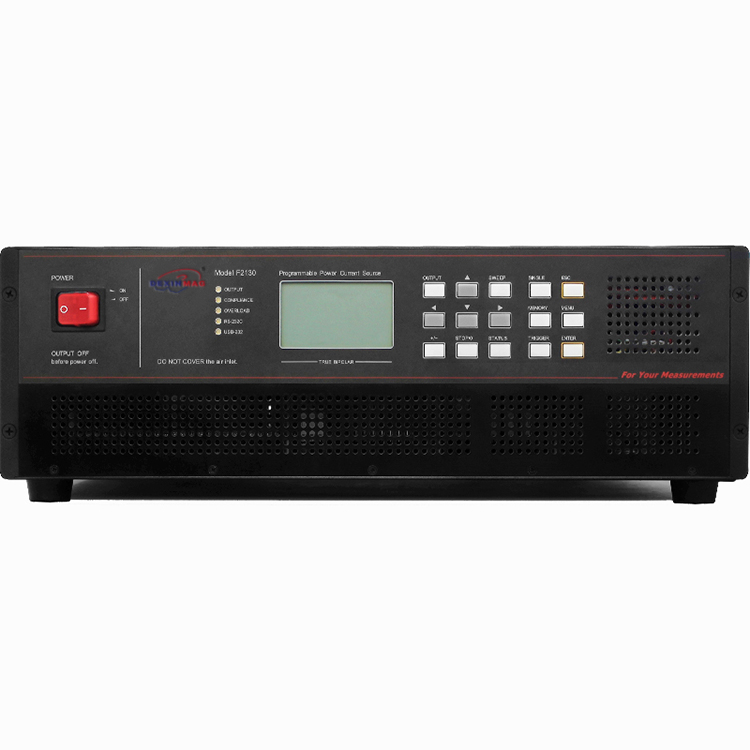
DXF2035 Power Supply
|
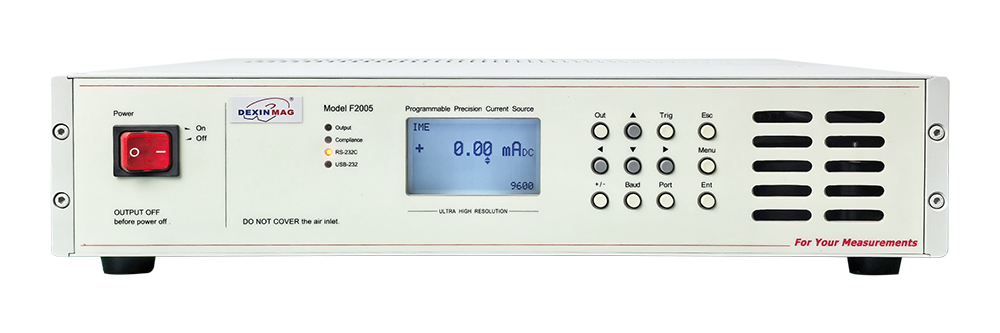 |
DXF2005 Power Supply
|
|
|
Helmholtz Coil
|
|
|
Electromagnet
|
|
|
Zero Gaussian Cavity
|
|
|
Auxiliary Clamping System
|
|
|
Certificates
|
It can be used to calibrate: magnetic flux density indication error, probe forward and reverse error, zero point error, and lift/lower variation (for pointer-type magnetometers).
